From the Editor’s Desk
About the Game
A confession, of sorts.Dearest Reader,
You hold in your hands (or upon your screen, which I am told is the modern drawing-room) the product of a single ruined engagement, three disastrous playtests, and one printer who no longer returns our letters.
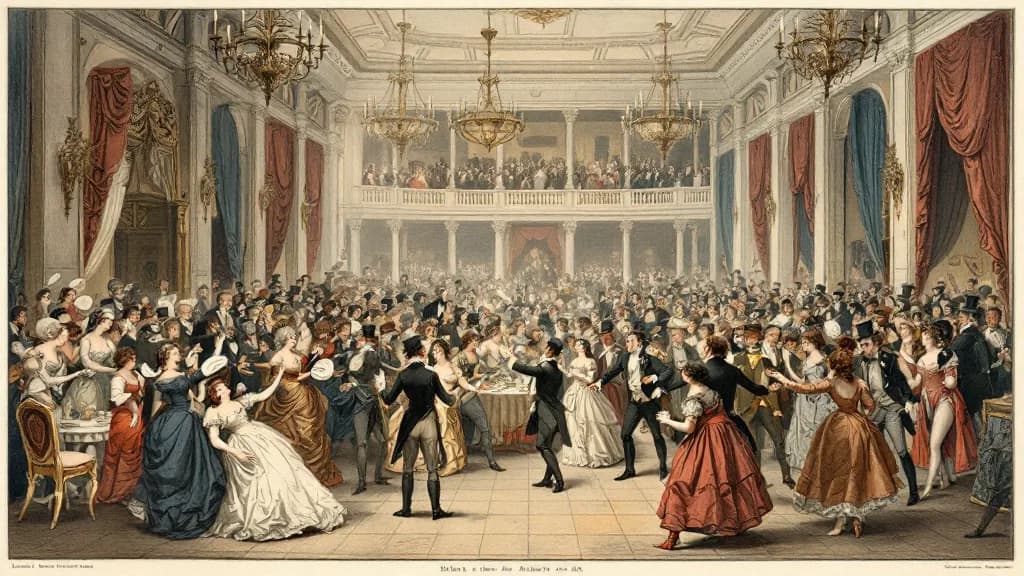
Regency Chaos began as a question: what if the most dangerous thing in a ballroom was not the wine, but the company? Every card in the deck is something I have seen done in polite society — exaggerated only slightly, and not at all in this case.
It is a game for people who understand that a compliment can be an ambush, that a seating chart is a battle plan, and that the phrase “we must have you to dinner” has ended more careers than any war.
Play it with friends you trust. Then, having played it, trust them nevermore.

A Chronicle of the Season
The Conception
The idea arrives at a dinner party in Bath, immediately after the author's own engagement is ended by a rumor about a cousin and a curate. The rumor was false. The game is not.
The First Playtest
Six friends sit down to play. Four friendships end. The remaining two players marry each other, presumably for strategic reasons. The rules are judged a complete success.
The Printing
A printer on Fleet Street agrees to produce the cards after being assured the game is 'about manners'. He has not spoken to us since reading the deck.
Vol. I Is Released
The London Season begins. Drawing-rooms across Mayfair echo with inheritances, fevers, duels, and denials from the Duchess. The editors could not be prouder.
Our Guiding Principles
Manners Are Armor
Every rule of etiquette in this game exists to be weaponized. Politeness is simply aggression with better posture.
Tea Is a Weapon
No card in the deck is an accident, and no beverage is safe. If someone offers you a cup, count your points first.
Invitations Are Ammunition
A card on a tray can open a ballroom, close a fortune, or decide who is seen leaving by the wrong door.